

7 Tips for Sustainable Sites
Protect properties with these water management tips that make sites more sustainable.
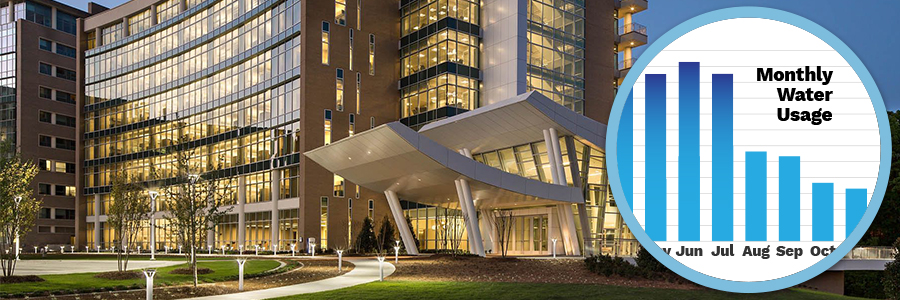
Protect properties with these water management tips that make sites more sustainable.

Celebrate Smart Irrigation Month by learning about the many positive impacts of smart irrigation on our society, economy, and planet.

Conserving water is a key part of achieving ESG and sustainability goals. Get started with these water management strategies.
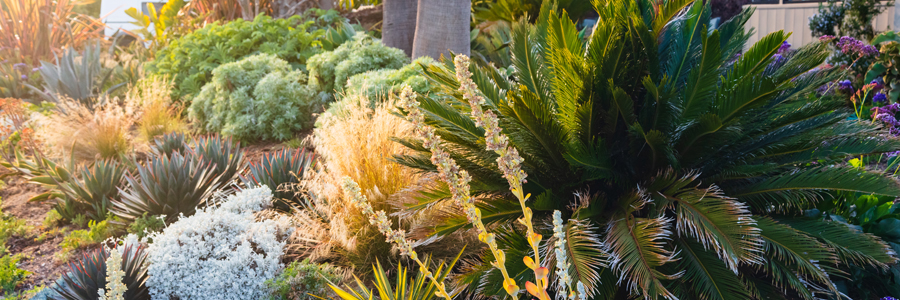
After decades of little or no effort globally to protect and conserve Earth’s most precious, finite resource, it’s more critical than ever that we do everything in our power to reduce water use to sustain life as we know it to survive and most importantly, not waste water– both indoors and out.
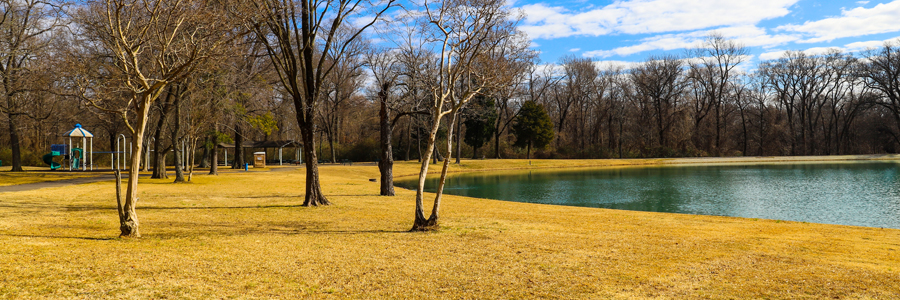
Winter drought effects can be quite severe, leaving trees and plants highly stressed. Pine needles turn brown and fall off, plant leaves curl up and drop off, and plant roots beneath the frozen ground surface dry out, because they can’t absorb needed moisture from soil.
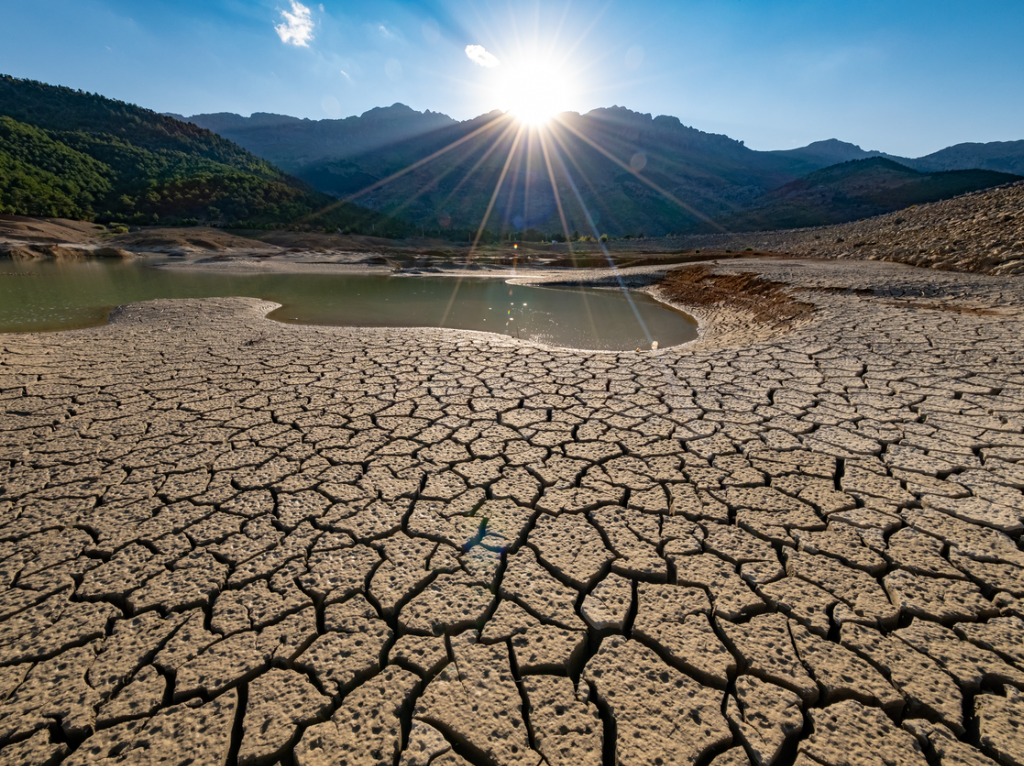
In times of drought, above ground sprinklers aren’t the most efficient way to irrigate a parched landscape. Much of the spraying water will be lost through evaporation before it even hits the ground.
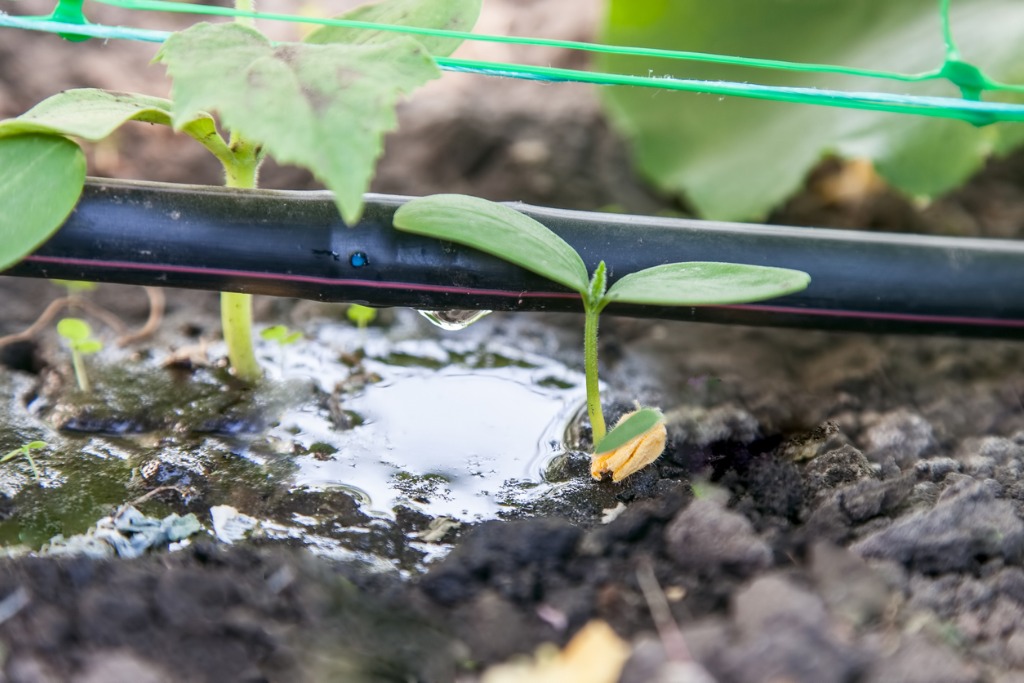
There are several things that can cause common irrigation pressure problems in a sprinkler system. Some of them are easy to identify and can be resolved above ground, but some problems below ground can be more serious and will likely require costly repairs.
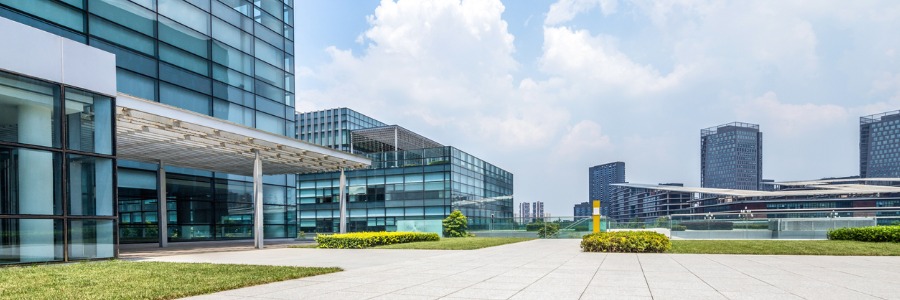
Water efficiency in large buildings plays a huge role in what makes a building “Green” and lends the opportunity to utilize the best technology available today. Such technologies and strategies not only decrease the amount of water consumption in a large building, but also will significantly reduce expenses in the operating budget.
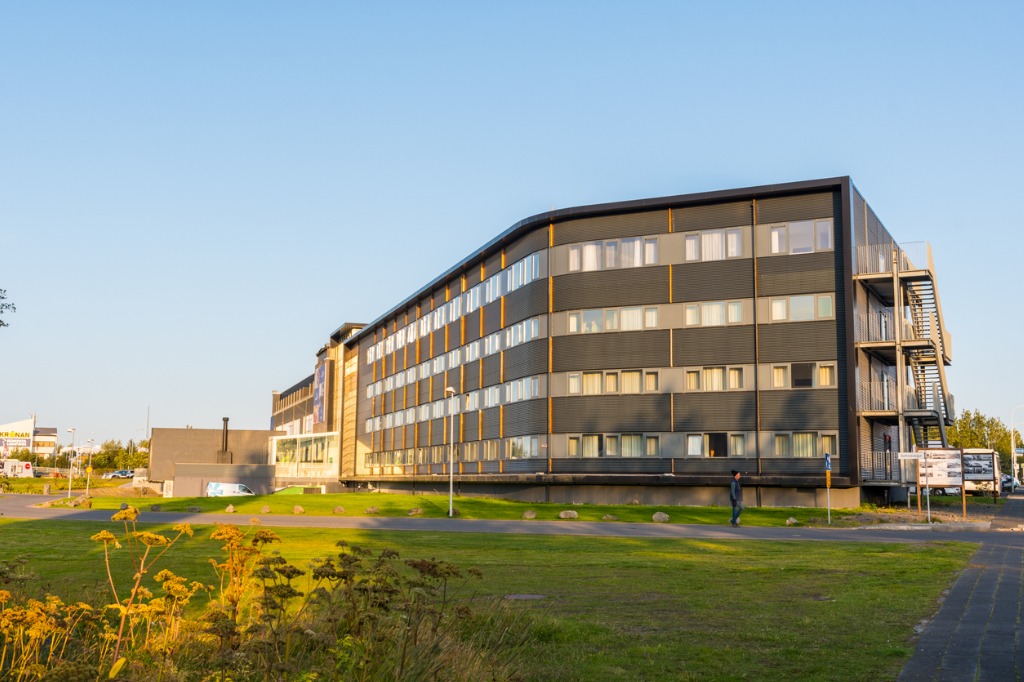
When a building or community has been designed, constructed and operates using strategies that preserve precious natural resources, reduces negative impacts on our climate and environment, and improves our quality of life, it is commonly called “Green.”
Efficiently managing irrigation while away on Summer vacation can be challenging, especially if an unexpected stormy weather pattern strikes and you’re not there to adjust or turn off the automated timer.